What is the difference between an Oxford and a Derby shoe?
If you’re unfamiliar with the nuances of formal footwear, finding new shoes can be challenging. Some men’s dress shoes are more formal than others and are more suited to evening and formal occasions. In contrast, other men’s footwear is more appropriate for wearing during the day with smart-casual attire.
To help you avoid a fashion faux pas, we’re answering a common question: What is the difference between an Oxford and a Derby shoe?
To the untrained eye, Oxfords and Derbys can look quite similar. However, they feature crucial differences that affect the shoes’ formality. Discover what makes a shoe a derby or an Oxford, and let us help you navigate these footwear terms to help you find the perfect shoes for your occasion or event.
Our Quick Summary Table
| Shoe Style | Lacing System | Facing Construction | Fit Type | Formality Level | Primary Dress Codes |
| Oxford | Closed | Stitched flush under the vamp | Snug / Slimline | Formal / Professional | Office wear, weddings, black-tie, funerals |
| Derby | Open | Stitched on top of the vamp | Roomy / Accommodates high insteps | Smart-Casual / Everyday | Broken suits, chinos, tailored shorts, jeans |
Table of contents
- What is an Oxford shoe?
- What is a derby shoe?
- What is the difference between a derby shoe and an Oxford shoe?
- Examples of derby and Oxford variations
What is an Oxford shoe?
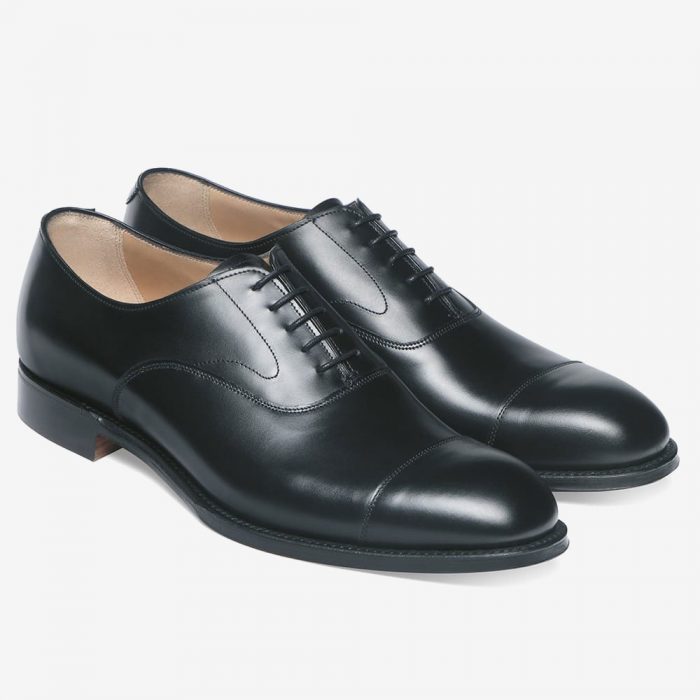
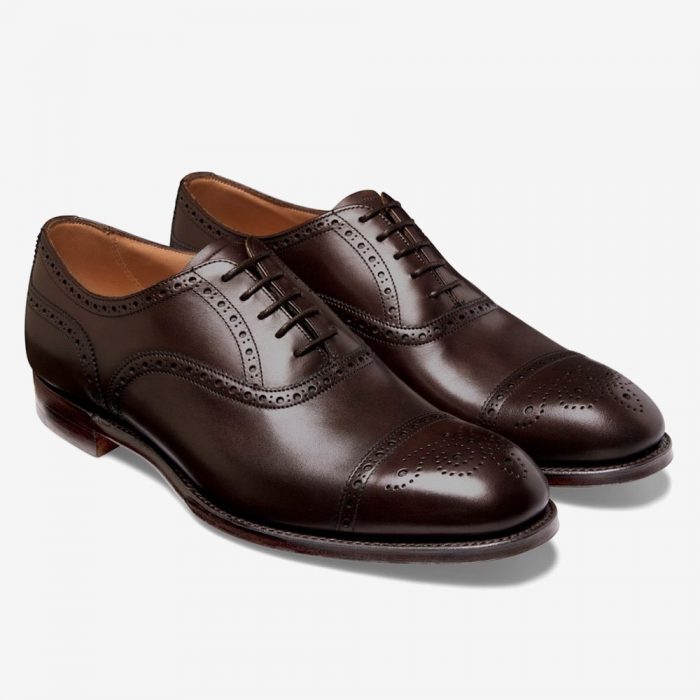
You can distinguish an Oxford shoe by the closed-lacing system, which is the piece of the shoe where the eyelets are is stitched under the vamp. The facing is also stitched flush with the rest of the upper. These features create a sleek, slimline silhouette that fits snugly across the instep. Therefore, Oxfords should be your go-to style for a formal or professional dress code.

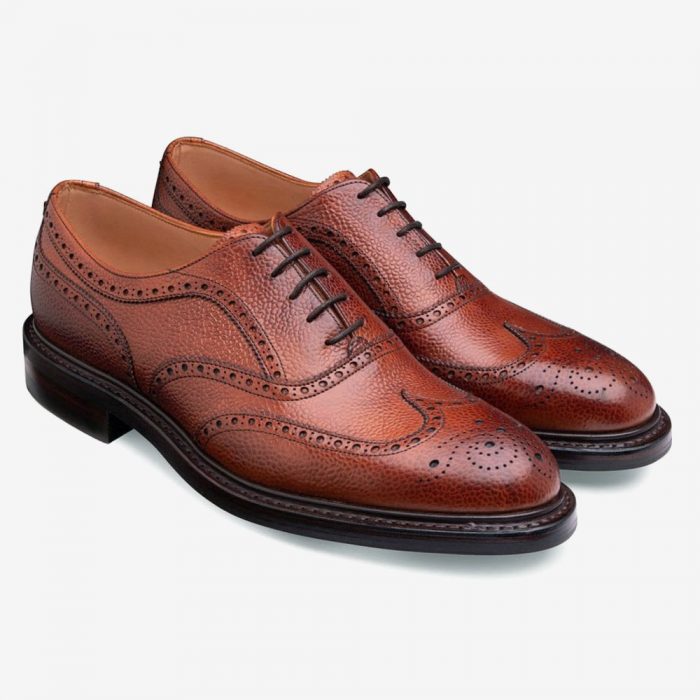
Apart from these distinctive features, you can get various styles of Oxford shoes, including top cap, whole cut, brogue or semi-brogue, which you can get in many leather finishes and colours, but the closed-lacing system always constitutes an Oxford.
Shop our Men’s Oxfords and Women’s Oxfords
What is a derby shoe?
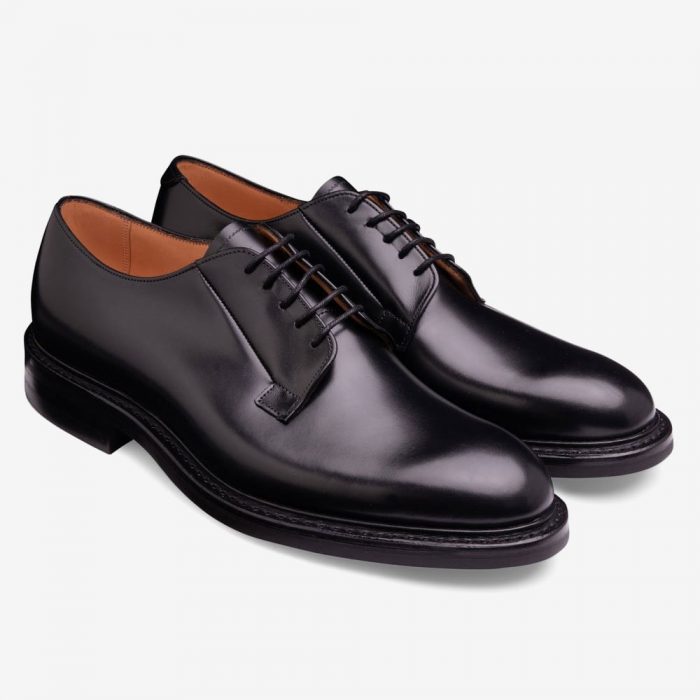
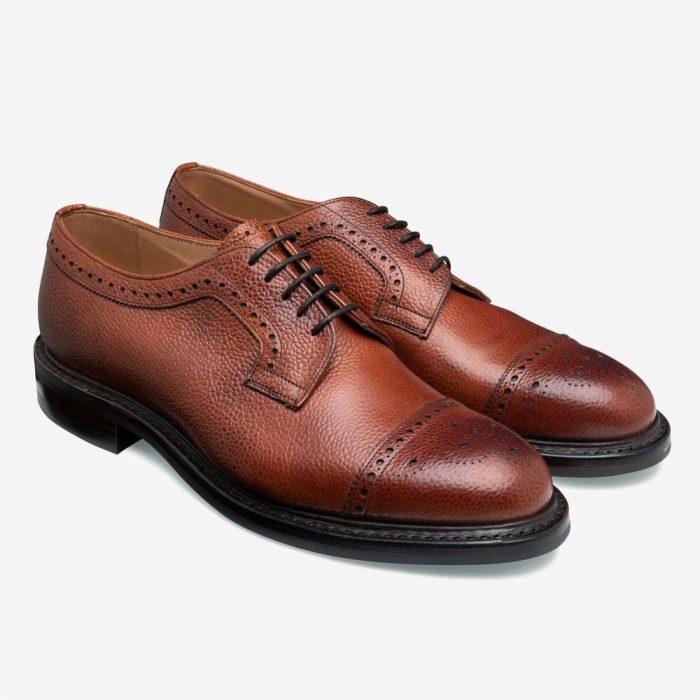
If you’re wondering, “What are the features of Derby shoes?” People often refer to them as the opposite of an Oxford, which is an accurate representation. Contrary to their counterpart, Derbys have an open-lacing system. This means that the facings, the part of the shoe through which the laces go, are sewn on top of the vamp instead of flush with it. The open-lacing system offers a more casual style and roomier fit

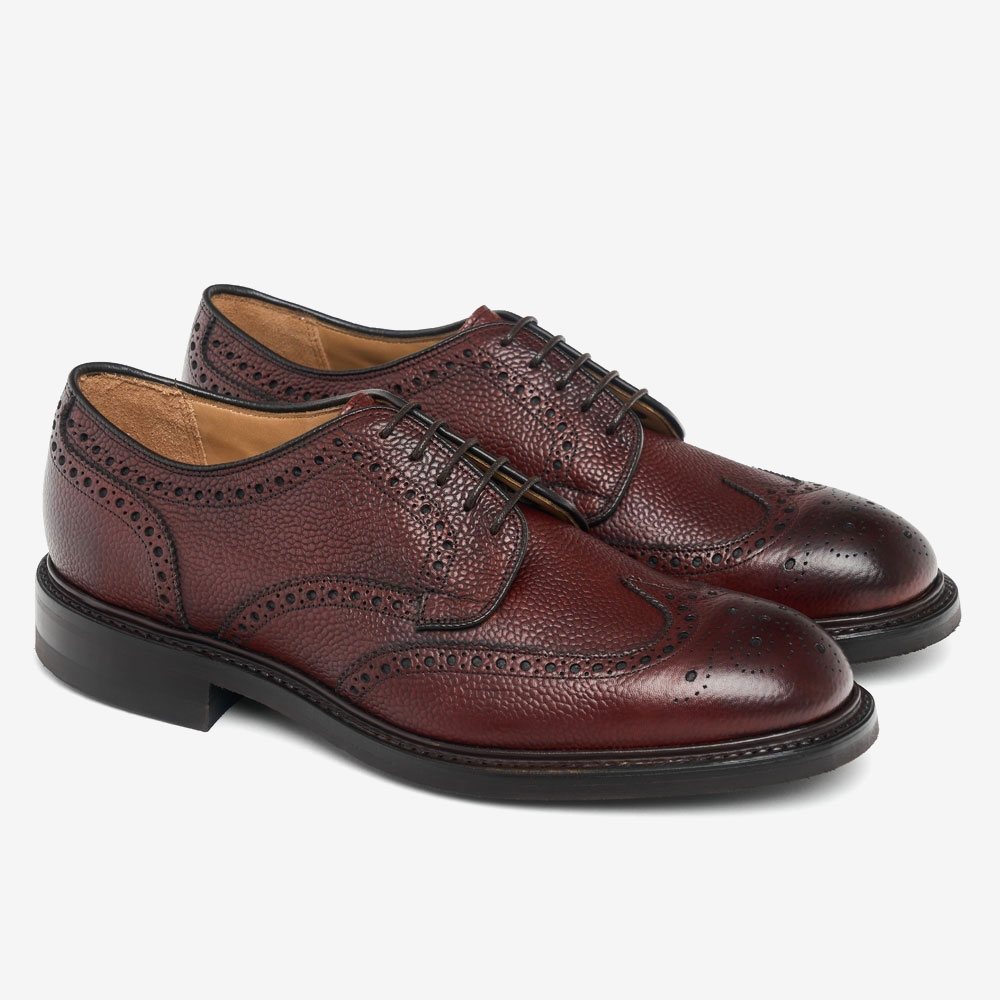
Similarly, you can get variations on the derby, like derby brogues and derby boots. However, the open lacing system has to remain for a derby shoe to be classed as such.
Browse our Men’s Derbys and Women’s Derbys
What is the difference between a derby shoe and an Oxford shoe?
Although the difference between the derby and the Oxford is slight, they have different functions and formalities, meaning there are appropriate times to wear one rather than the other. So, to avoid wearing the wrong shoe, let’s dive into the differences between Oxford vs. Derby.

Lacing system
As detailed above, the lacing system is the primary difference between an Oxford and a Derby. While an Oxford has a closed-facing stitched flush to the vamp, the Derby’s open facings are stitched on top.
Wearability & fit
Because of its open-lacing system, the Derby offers a much more forgiving fit than the Oxford. This makes it the ideal choice for several specific use cases:
- High Insteps: The independent facings can be loosened considerably, allowing the shoe to easily accommodate a higher instep without uncomfortable pressure across the top of the foot.
- Orthotics and Insoles: The adjustable nature of the open laces and the generally roomier interior make Derbys much better suited for sliding in custom orthotics or supportive insoles.
- Thick Countryside Socks: Because you can manually adjust the volume of the shoe, Derbys easily leave enough extra room to accommodate thick, heavy wool socks for weekend walks in the country.
Historical origins
When did Oxford shoes come out?
- 19th-Century Oxford Students: The Oxford shoe was born out of a rebellion against restrictive footwear. University students famously decapitated the tops of their standard-issue leather boots to increase breathability and ankle mobility, creating the sleek closed-lace shoe we know today.
When did derby shoes come out?
Similarly, Derbys emerged as a rebellion against the restricting nature of Oxfords. However, Oxford and Derby shoes likely developed concurrently rather than one after the other, as Derbys are mentioned as early as 1862.
- The 14th Earl of Derby: One theory suggests the open-laced shoe was commissioned by Edward Smith-Stanley, the 14th Earl of Derby. As a larger man with wide feet, he needed his bootmaker to design a more accommodating, open-laced fit than the traditional boots of the era allowed.
- Prussian Officer von Blücher: During the Napoleonic Wars, Gebhard Leberecht von Blücher developed a military boot featuring two leather flaps laced together below the ankle. This allowed troops to take them on and off much faster. This military history is why the Derby is still commonly referred to as a “Blucher” in the United States.
It seems there were multiple instances throughout Europe during the 19th century when the Derby shoe was being imagined and invented. But the common theme was manoeuvrability and ease of use.
Formality
Are Oxford shoes formal or casual?
Oxfords are considered formal footwear. Their sleek, sophisticated silhouette gives them a more formal look than derby shoes.
Can Oxford shoes be worn casually?
Traditionally, Oxford shoes are not worn casually. But you could dress them down with a pair of chinos if you needed to wear them in a casual setting. Note that leather texture and colour will also influence formality. It might be easier to casually wear a brown grain leather Oxford than a black calf leather one.
Equally, just because the derby shoe is less formal than the Oxford does not mean you can’t dress it up. In that sense, the derby shoe is more versatile than the Oxford, as you can pair them with a suit, a broken suit, tailored shorts, chinos or even jeans. The multi-functional shoe is an everyday go-to staple or a more smart-casual dress code.
Purpose and versatility
Why do people wear Oxford shoes?
Their sleek silhouette elevates the outfit, providing a professional or formal appearance. They are perfect for projecting professionalism in the boardroom or making an effort for a formal occasion.
When should you wear Oxfords?
Because of their more formal look, Oxford shoes pair well with officewear or for special occasions like weddings, black-tie events or funerals. Every discerning gentleman needs a pair of Oxfords in their wardrobe for formal office wear or formal dress codes.
When should derby shoes be worn?
In comparison, derby shoes were popular as sporting footwear in the late 1800s. Because of their heritage and style, they have become THE shoe for the smart-casual dress code or everyday shoes. Their versatility makes them perfect for diverse occasions, from relaxed or casual business meetings to smart-casual weddings, from date nights to a friend’s birthday dinner. Whether worn on the weekend for a dapper look or during the week for more relaxed office wear, derby shoes are a true everyday wardrobe staple.
Examples of derby and Oxford variations
The best way to see the difference between a derby and an Oxford is by looking at them side-by-side. Here, you can see the different lacing systems in the Alfred Capped Oxford and the Deal II R Derby.
However, there are different types of Oxford shoes and derbys to look out for; for example, you can get an Oxford or a derby brogue with decorative perforations. As long as they have an open or closed-lacing system, it is still either an Oxford or a derby. So, if you’ve ever wondered, “Are Oxfords and brogues the same?” the answer is much more nuanced. Depending on the lacing system, the brogue will still either be an Oxford or a derby. For comparison, our Hythe II R Wingcap Oxford Brogue and the Bexhill II R Brogue demonstrate this well.
Similarly, you can get semi-brogue Oxfords and derbys, for example, the Wilfred Oxford Semi-Brogue and the Tenterden II R Derby Semi-Brogue.
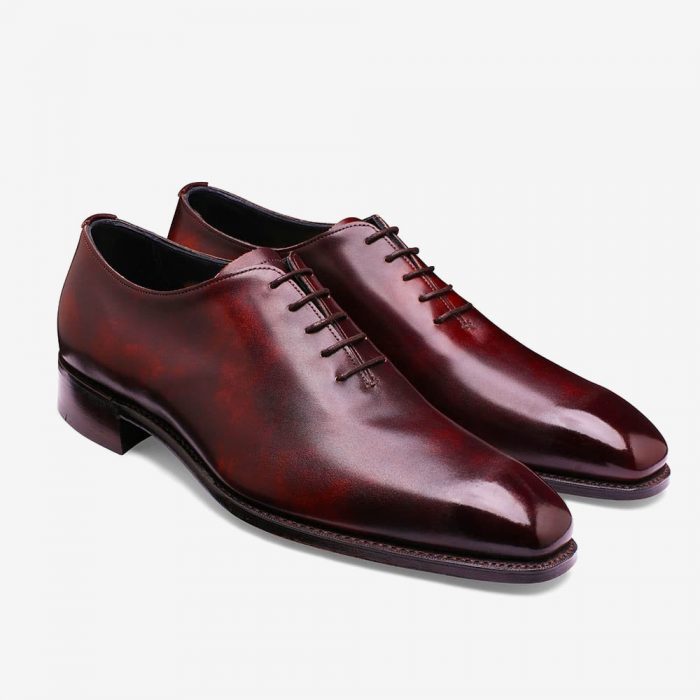
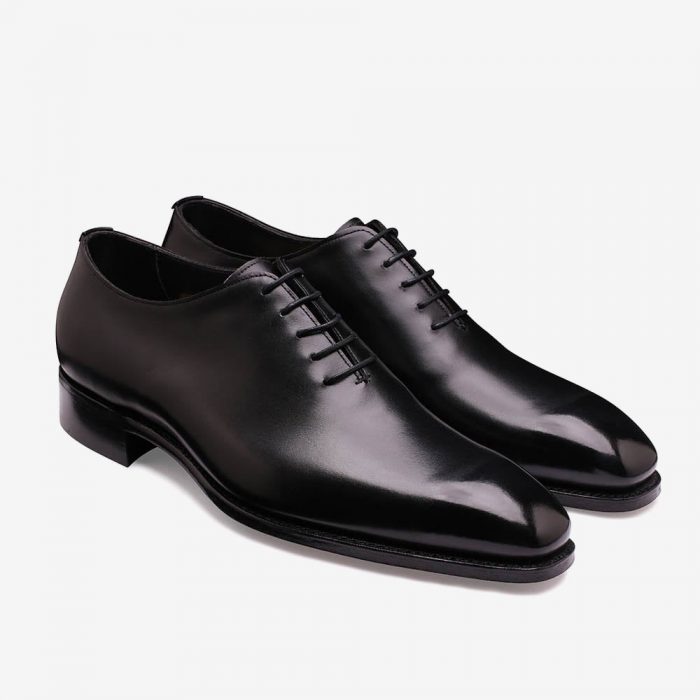
As well as capped Oxfords, you can also get whole-cut Oxfords, an even sleeker design with no stitching or decoration on the upper, cut from one piece of leather. For illustrative purposes, see our Crowndale Wholecut Oxford.
Derby and Oxford shoes at Cheaney
We hope by now you are well versed in the difference between the derby shoe vs. Oxford and could pick them out on a line-up. You also now have all the information to decide on the best footwear for any event or occasion.
Ready to upgrade your formal footwear? Why not browse our men’s derby shoes or men’s Oxford shoes to find the best footwear for you?
We also supply an extensive range of women’s Oxford shoes and women’s derby shoes to browse, whatever the occasion.
Related blogs

Comments are closed here.