What is the difference between smooth and grain leather?
Introducing two of our most favoured and sought-after leathers in the Cheaney collection: our smooth and grained calf leather. Both starting from the same hide, these two types of leather go through slightly different tanning and finishing processes to create two very distinctive finishes.
Learn about the difference between smooth and grain calf leather and their unique characteristics, which make them perfect for luxury dress shoes and accessories. Then, learn how to clean and care for them to ensure your investment lasts for years.
Table of contents:
- What is smooth calf leather?
- What is grained calf leather?
- What is the difference between smooth and grain leather?
- How is calfskin leather made?
- Is calfskin leather good?
- What are the disadvantages of calfskin?
- How to clean calfskin leather shoes
- How to clean calf grain leather
- How do you care for grained calf leather?
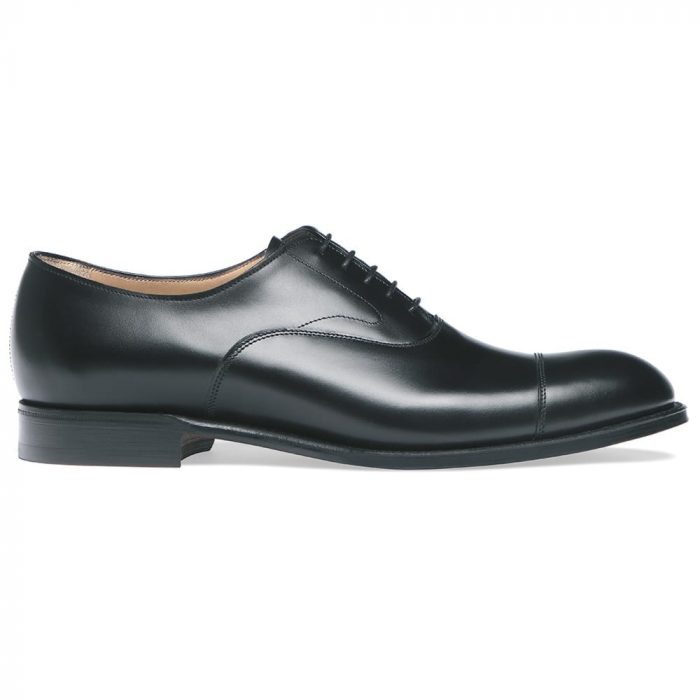
What is smooth calf leather?
Calfskin leather is a popular leather type made from young calf hide. Compared to older cowhide, it’s known for its fine grain, soft feel and smooth surface. Because of its elegant appearance, durability and flexibility, calf leather is considered a premium material in the shoe and fashion industry.
A careful treatment and tanning process achieves this smooth finish, using techniques like sanding, buffing and tanning to ensure a uniform and polished finish. The result is leather with a sleek, refined look and a supple texture.
Smooth calf leather is widely used in high-end products like handbags, shoes, wallets, belts, and watch straps because of its luxurious feel and aesthetic appeal. It also ages beautifully, developing a patina over time, which enhances its character and value.

What is grained calf leather?
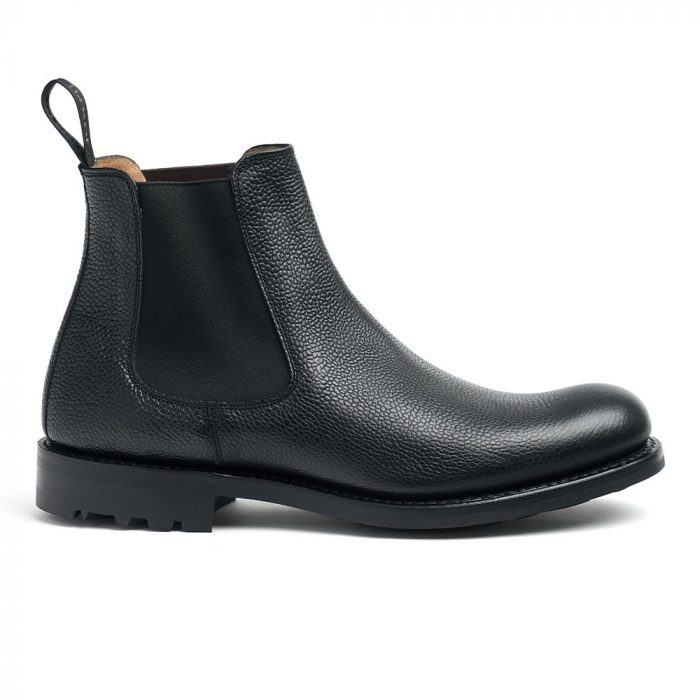
Grained calf leather is calf leather that has been embossed with a textured surface, creating a pattern of small natural-looking “grains” or ridges. You can get some instances where the texture can occur naturally; however, using an embossing process is the best way to get a uniform texture.
The main benefit to having grained instead of smooth calf leather is that the grains disguise scratches and creases and wear more easily, requiring less maintenance to preserve its appearance. Still, they retain the same softness and flexibility that calfskin offers, making leather items more functional yet still luxurious.
The distinct “pebbled” look adds depth and character, giving it a lightly rugged appearance. It is perfect for country shoes or less formal footwear and accessories.

What is the difference between smooth and grain leather?
Texture
As already specified, the main difference between smooth and grain leather is their texture. Smooth calf leather has a sleek, uniform surface with no visible grain pattern. It often feels soft and polished. On the other hand, grained calf leather retains the hide’s natural texture or is embossed to create a natural-looking grain.
Processing
The processing of each leather is also different to create these different textures. Smooth leather is typically made by sanding or buffing the outer surface to remove imperfections and create an even finish, whereas grained leather is either preserved or embossed.
Uses
Because of their different textures, each leather is often used for specific purposes. For example, smooth calf leather is commonly used for formal shoes, handbags, jackets, and furniture, where a clean and refined look is desired. Grained calf leather is preferred for boots, belts, and premium bags due to its durability and natural look.
Formality
The different textures also lend themselves to differing formalities. Calf leather is commonly worn on formal occasions, in business settings, and in the city. At the same time, grained calf leather has a more smart-casual feel for less formal occasions or the countryside.
Care
Due to their different textures, each requires a slightly different care regime. Smooth calf leather requires a high level of maintenance to retain its smooth and polished sheen. On the other hand, grained calf leather is more resistant to wear and tear; a simple conditioning routine will help keep it from drying out.
How is calfskin leather made?
Making leather out of calfskin is all in the tanning process to turn raw hide into durable, high-quality, non-rotting material for fashion and footwear. Here is a brief outline of how calfskin leather is made.
1. Hide selection
First, the hide is selected. Young calf skin is valued for its fine grain, softness and lack of imperfections. Some of the best calfskin is reserved for shoemaking.
2. Preparation
The next stage is called the beam house process, where the unwanted materials are removed from the hide, and the hide is soaked to rehydrate and clean it. The hide is then prepared and softened for tanning with a pH neutraliser.
3. Tanning
Tanning transforms the raw hide into leather, making it durable and resistant to decay. There are two types of tanning:
Chrome tanning: Using chromium salts for a soft, flexible result. This process is faster and produces consistent results.
Vegetable tanning: using natural tannins from tree bark, flowers or leaves, resulting in firmer leather with a natural finish and patina.
4. Splitting and shaving
The hide is then split into layers to achieve the desired thickness. Manufacturers use either full-grain or top-grain leather, which is the topmost, smoothest surface, to create high-quality calfskin leather.
5. Retanning and dyeing
At this stage, some manufacturers might do additional tanning to enhance specific qualities like softness or water resistance. Any dyeing occurs in a drum to achieve an even colour or retain natural variations.
6. Finishing
For the purest calf leather, the finishing process is minimal. However, some may give the leather a light sand, buff or polish for a sleek finish that enhances the smoothness and sheen.
At Cheaney, we hand-burnish many of our calf leather shoes in our factory to create varying shades on the toes and heels. This gives the leather an older, antique look while retaining the youth and suppleness of a young calf’s leather.
To make grain leather, you would add an extra step of embossing this calf leather by pressing the hide with textured rollers to create a “pebble”-like finish.
Is calfskin leather good?
Calf leather is considered one of the industry’s highest-quality and most luxurious leathers, usually reserved for luxury shoes and accessories for a timeless look and durable product. You can get older cowhide, but calfskin has many more advantages.
Firstly, the pores on real calfskin leather are so small that they are barely detectable to the human eye. The finer grain creates its characteristic luxurious look. Because of its smooth sheen, calfskin brilliantly holds a high polish.
The smooth surface lends itself to a buttery, soft, and luxurious texture. The young hide also gives the calfskin leather a very elastic, flexible capacity, making it perfect for high-end footwear that feels sumptuously supple and moulds to the shape of your foot for a unique fit. Although calf leather is soft and supple, it is also incredibly strong and durable. Compared to older cowhide leather, it is also lightweight. These characteristics make calf leather incredibly versatile for making bags, shoes, boots, wallets, belts, jackets, coats, and gloves.
What are the disadvantages of calfskin?
While calf leather is a luxurious, high-quality material, it has some caveats you must consider before investing.
Price
Calf leather is one of the most luxurious leathers you can use on leather items, making shoes and accessories more expensive than other types of leather. Young calfskin is also less abundant and smaller, making it rarer and more expensive.
Does calfskin leather scratch easily?
Yes, smooth calf leather is more prone to scratches, scuffs and marks due to its fine grain and soft texture.
Is calf leather waterproof?
No. Calf leather is not naturally waterproof and can absorb water if not treated, leading to stains, warping or deterioration. You can make your calf leather more water-resistant with protective sprays and treatments.
For more information on making your shoes more water-resistant, read our guide, “How to Make Your Shoes More Water-Resistant.“
Maintenance
Calf leather requires regular care, including cleaning, conditioning and protective coatings to retain its polished sheen.
Limited durability for heavy use
Although durable enough for luxury dress shoes and leather accessories, it’s not as long-lasting as thicker cowhide, especially for heavy-duty use or rugged applications such as work boots or outdoor gear.
How to clean calfskin leather shoes
Because of their soft and delicate surface, calfskin leather shoes require great care when cleaned. Here is everything you need and how to clean them correctly and effectively.
You will need:
- Soft horsehair brush
- Clean, soft cloths
- Leather cleaner
- Polish
- Leather conditioner
- Shoe cream of the same colour as the leather or neutral (optional)
- Water
Steps:
- Remove dust and dirt: Use the soft-bristled brush or dry cloth to remove loose dirt, dust or debris; be gentle to avoid scratching the surface.
- Spot cleaning: Dampen your cloth with water and apply a small amount of leather cleaner to the cloth. Gently clean the surface in small circular motions. Avoid oversaturating the leather with water.
- Wipe clean and dry: Use a damp cloth to wipe away residue and remove moisture with a dry cloth.
- Condition the leather: Once the shoes are dry, apply a thin layer of leather conditioner with a clean cloth and work into the leather in circular motions, focusing on any dry areas. Let the conditioner absorb for 10-15 minutes.
- Polish the leather: To restore the extra shine in your leather shoes, use a polish or shoe cream that matches the leather or a neutral-coloured leather cream or polish. Buff the surface with a clean cloth or soft brush to restore the shine.
- Protect: Once you have cleaned your calf leather shoes, protect them from water and stains with a leather protector or waterproof spray specifically designed for calfskin.
Calf leather cleaning and care tips:
- First, test any cleaning or conditioning products on a small, inconspicuous area.
- Avoid harsh cleaning chemicals or household cleaners, as these can damage the calfskin.
- Store your calf leather shoes in a cool, dry place and use shoe trees to maintain their shape.
How do you get scratches out of leather calfskin?
As calf leather scratches easily, you need to know how to treat them to maintain the appearance of your leather shoes and accessories.
You will need:
- Clean, soft cloths
- Leather conditioner or cream
- A leather repair kit or colour-matching leather dye (optional)
Steps:
- Assess the damage: Check the depth of the scratch. Superficial scratches can be easily treated at home, but deeper gouges may require professional repair.
- Clean the area: Use a damp cloth to wipe the scratched area clean and remove and dirt gently. Let the area dry completely.
- Apply leather conditioner: Use a clean cloth to massage a small amount of leather conditioner into the scratch to help moisturise the leather, making the scratch less visible. Buff gently in circular motions; the heat from your finger will also help soften the leather, regain its original shape, and blend the scratch.
- Leather cream or dye: If the scratch is deeper or still visible, apply colour-matching leather cream or dye using a fine brush or cloth. Blend it in, then buff it with a soft cloth to restore shine.
- For deeper scratches, use a leather filler kit to fill the gouge, then apply matching leather dye or cream to restore the colour.
How to clean calf grain leather
Cleaning calf grain leather is much the same as smooth calf leather as they are both made from the same quality material. So follow the steps above for the best cleaning method for grained calf leather. The only difference you will get is that you’re grained calf leather won’t have the same polished sheen as smooth calf leather due to it’s grained texture.
How do you care for grained calf leather?
One advantage of grained calf leather is that it conceals creases, scratches, and scuffs more easily. However, this does not mean that it requires less care than smooth calf leather. Here’s how to properly care for your grained calf leather shoes and accessories.
- Clean regularly: Use soft microfibre cloths and soft-bristle brushes to remove dust and dirt. Deep clean monthly or as needed with a small amount of leather cleaner and lukewarm water. Let them air dry.
- Moisturise and condition: Grained calf leather can dry out over time, so regular conditioning can help keep it soft and supple. Make sure to buff it to restore its natural sheen.
- Protect against stains and water: Use a leather protector or waterproofing spray to shield your grained leather from water and stains. Blot any water or spills immediately and avoid rubbing to prevent water from absorbing into the leather.
- Avoid extreme conditions: To prevent your grained calf leather from drying out, keep it away from direct sunlight, radiators, and other heat sources. Also, avoid exposure to excessive moisture. If your leather gets wet, let it dry naturally at room temperature.
- Storage: Always store your grained calf leather in a cool, dry place away from direct sunlight. For a breathable storage solution, you can use a dust bag to store your shoes and shoe trees to maintain their shape.
- Maintain grain texture: To keep the grain texture looking its best, buff the surface occasionally with a soft-bristled brush or a clean, dry cloth. Always polish and buff gently to help maintain the characteristic texture without flattening it.
- Polish: For glossy, grained calf leather, use a neutral or colour-matched leather cream for occasional polishing. Avoid heavy waxes or polishes that may clog the grain pattern.
Calf and grained leather shoes and boots at Cheaney Shoes
Now you know everything there is to know about these two illustrious types of leather: their differences, characteristics and how to properly care for each one to maintain their unique yet equally exquisite finishes; why not explore our collection?
At Cheaney, calf leather forms the foundation of most shoe styles, providing footwear with classic appeal, a hardwearing nature, and style adaptability. Why not browse our smooth or grained calf leather ranges for men and women to add a truly timeless pair of shoes to your collection?
Our grained and smooth calf leather also features in our accessories collection, offering fine leather accessories that are luxuriously supple yet hardwearing. Choose a leather that matches your shoes for the perfect leather co-ord.
Related blogs:

Comments are closed here.