What is hatch grain leather?
Introducing our newest leather option here at Cheaney Shoes: Hatch grain leather. It may be the new kid on the block here, but the popularity of the hatch grain leather style goes back centuries, developed in line with the famous Russian calf leather.
Learn everything there is to know about this illustrious, versatile leather and why you need a pair of hatch grain shoes in your collection.
What is a hatch grain leather shoe?
This unique leather is used to make a hatch grain leather shoe. It is considered one of the world’s finest luxury leathers. This shoe pays homage to renowned Russian calf leather and its rich legacy, steeped in history and centuries-old craftsmanship. Read on to discover everything about this luxurious leather.
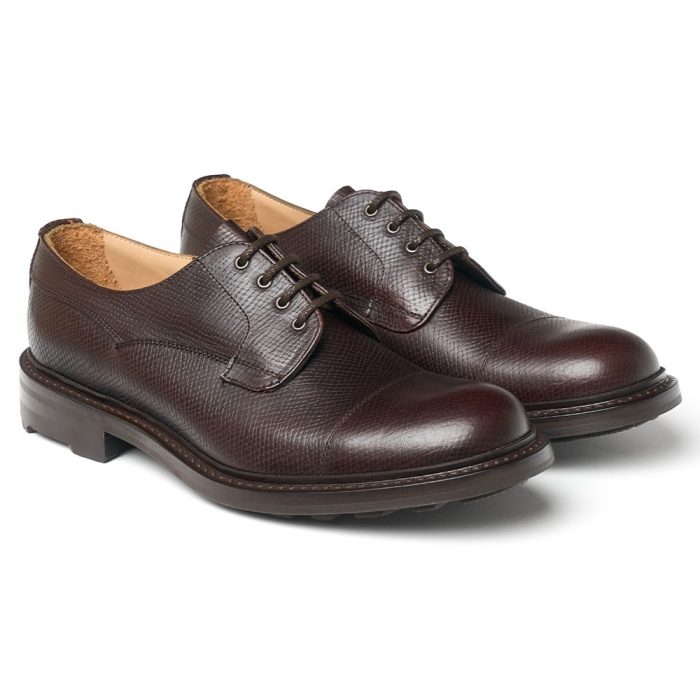
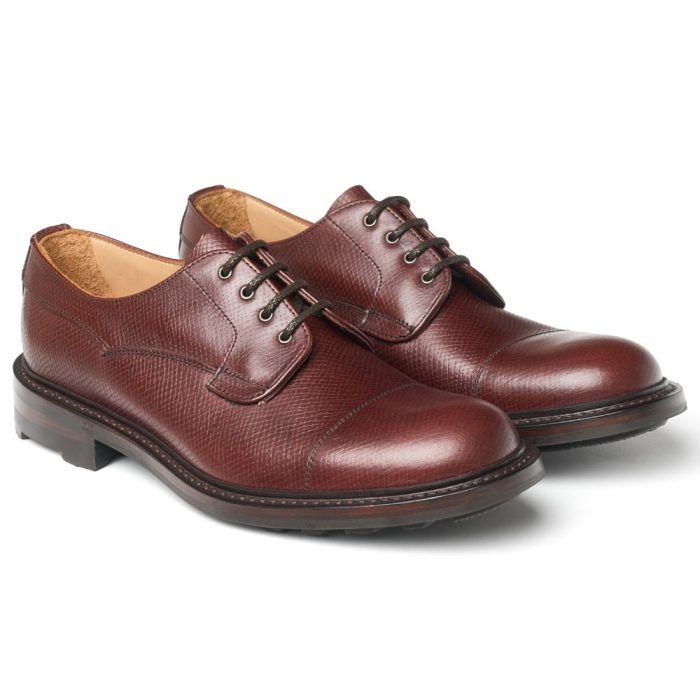
Brushfield RW Derby in Hatched Grain Leather
The grain
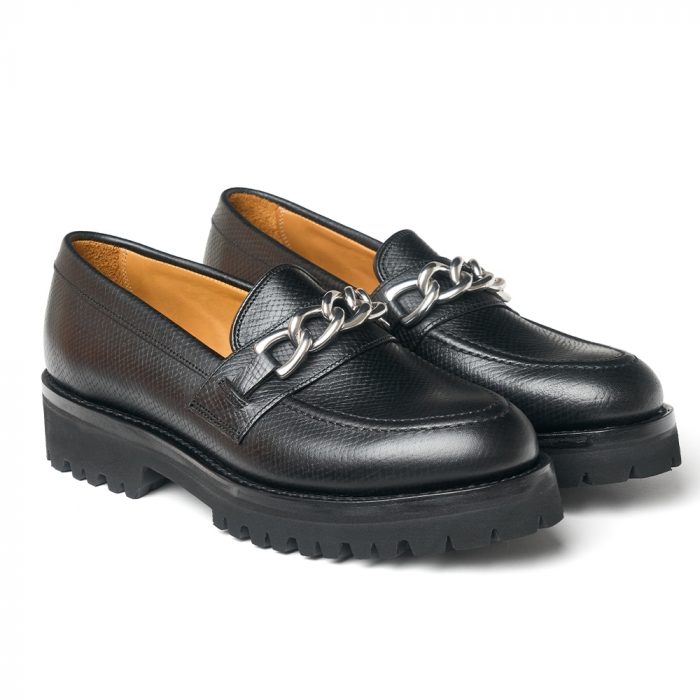
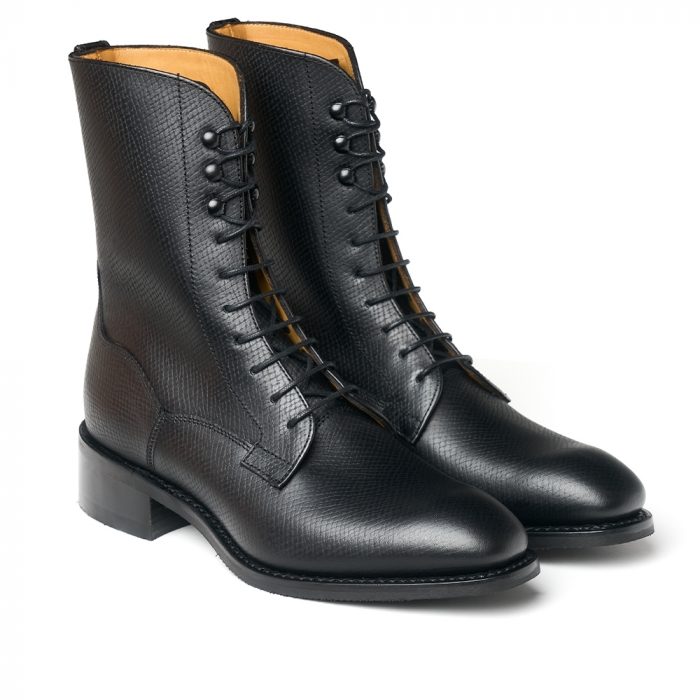
A hatch grain leather shoe is identifiable by its distinctive pattern. It’s crafted by embossing calf leather with a patterned roller during the tanning process. The pattern consists of small, raised bumps or hatches that create a crosshatched look, adding subtle texture and depth to the leather. Hatch grain leather is a corrected leather, giving it a firm feel and a satin finish.
Historically, hatch grain or Russian calf leather has been deemed one of the world’s finest leathers. Until recent years, its long, laborious tanning process was secret to a select few and the envy of many others.
The modern-day grain style and tanning process is inspired by the crosshatch print found amongst a hoard of 18th-century reindeer skins rescued from a sunken Russian trading ship in the Baltic Sea. Luckily, the freezing water preserved dozens of these hides bound for use in St Petersburg. When the skins were brought to the surface, they were in perfect condition, and it became clear that they’d been finished with a distinctive crosshatch grain.
Now, it has been used to create some of the best bespoke shoes and leather goods from highly regarded artisan leather workers around the globe

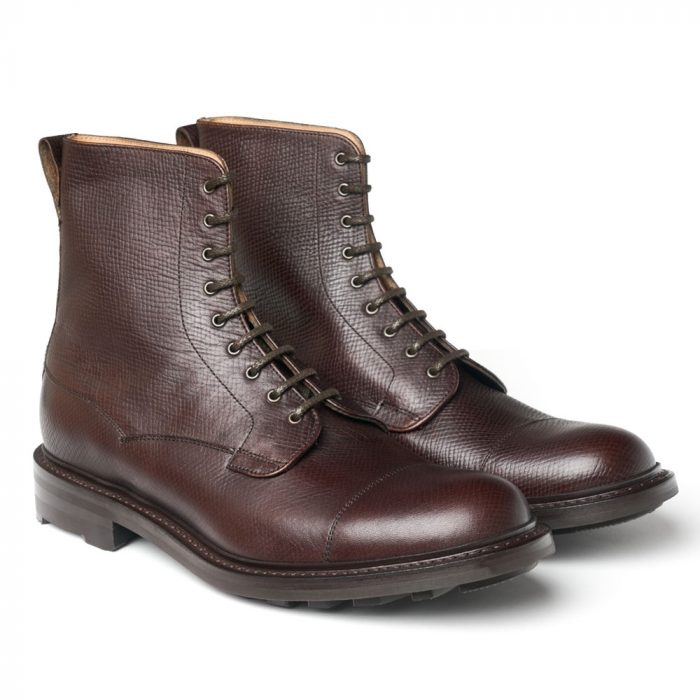
Spitalfields RW Derby Boot in Hatched Grain Leather
Durability
Due to its compact fibre, hatch grain leather is tough and can withstand daily wear and tear. It is visually and physically outstanding and makes the perfect leather choice for shoes or boots you usually wear daily.
Naturally water-resistant
In addition to having a tough, durable shell, hatch grain leather is naturally water-resistant, making it a practical choice for footwear that may be exposed to damp weather.
Maintenance
Hatched grain leather is the one for someone who prefers low-maintenance shoes. Relatively easy to maintain, give these shoes a regular clean with a damp cloth or brush to keep them looking spick and span.
Ageing
As hatch grain leather ages, it develops a beautiful patina, giving it a unique and distinctive character without compromising its long-term durability. Made from genuine leather, each shoe is distinctive, varying in shade and grain pattern due to the unique tanning process. You may also see some blemishes that enhance the individual pieces, giving them a unique character. With a non-fixed finish, you can adjust the colour on the surface to your liking using coloured creams and polishes.
Hatch grain vs grain leather
Hatch grain leather has a much softer and more subtle patina than its pebble-like grain counterparts, giving it a more dressy appearance. This is why you usually find grain leather on more boots and brogues, whereas hatch grain leather can be seen on dressier shoes like loafers.
Rich and luxurious, cherished by leather enthusiasts and artisans, hatch grain leather is the perfect option if you’re looking for a shoe with a unique look and rare feel.
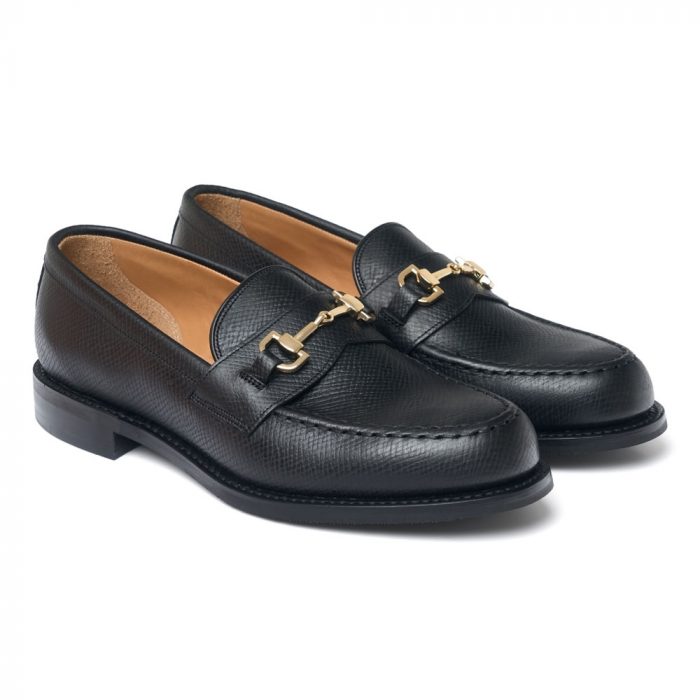

Harvey D Men’s Horsebit Loafer in Hatched Grain Leather
The Horween tannery
Our hatch grain leather is produced in America. Working with an esteemed Chicago tannery, Horween has made this sought-after leather more available. The tanning process yields a magnificent final product, combining a medium-rounded tannage with an aniline top and creams, antiquing or burnishing.
Is grained leather better than smooth?
Whether you prefer grained or smooth calf leather depends on your personal preference and the occasion.
The durability
Regarding durability, a textured surface is better at hiding scratches and scuffs. In contrast, a smooth surface makes scratches more visible. Therefore, grained leather will be better for everyday shoes while saving your smooth leather shoes for less frequent special occasions.
The look
Grained leather offers a rustic, authentic appearance that will appeal to those who love a textured, natural aesthetic. The more rugged look is often less formal. On the other hand, calf leather has a luxurious appearance, and the sleek, polished surface is often associated with high-end, luxury and formal shoes.
The feel
Smooth calf leather feels soft and supple, adding to its appeal in premium shoes, whereas grained leather will feel less smooth with more of a rugged feel.
The maintenance
As the texture of grained leather conceals scuffs and wear more easily, shoes in this leather won’t require as much upkeep to look good. On the other hand, smooth calf leather requires more regular maintenance, like conditioning and polishing, to maintain its appearance.
The purpose
A grained leather shoe is the perfect option for a durable, low-maintenance, and practical everyday shoe. In contrast, calf leather is the winner if you value elegance, softness, and luxury footwear for formal events.
Hatch grain leather shoes and boots at Cheaney Shoes
Hatch grain leather offers a beautiful and distinctive texture and character to our shoes and boots. With benefits like durability, while remaining refined and luxurious, you can really get the best of both worlds.
We’re sure by now you’ve fallen in love with this leather as much as we have, so why not browse our new hatch grain shoe collections for men and women here at Cheaney Shoes for the perfect shoe for everyday sophistication?
Or read our leather guide to discover all the luxurious leathers we offer here at Cheaney.
Related blogs:

Comments are closed here.