The Heritage Heroines: Women Who Shaped British Shoemaking
Behind the polished veneer of the world’s finest brogues, Oxfords, and Chelsea boots lies an equally compelling, historically obscured narrative: the profound and enduring influence of women as shoemakers, shoe designers and innovators.
From the earliest days of localised piecework in domestic outhouses to the modern boardrooms and avant-garde design studios of globally recognised heritage brands, women have served as the silent architects of British shoemaking.
As the footwear industry evolved from rural cottage crafts to heavily mechanised factory production, women navigated rapidly shifting socio-economic landscapes to assert their mastery over complex pattern cutting, delicate leatherwork, and, eventually, executive strategic leadership.
The Domestic Era and Early Female Pioneers
For centuries, before the advent of towering brick factories, shoemaking was a highly decentralised, domestic endeavour. The creation of a single shoe was broken down into specialised, sequential tasks performed in small outhouses typically located at the bottom of residential gardens. As materials physically moved from one small shop to the next, a sophisticated, community-based supply chain emerged. It was within this localised, domestic system that women first became entirely indispensable to the trade.
During the 18th century, shoemaking was a trade that quietly yet firmly welcomed female craftspeople. Women were not only employed by master shoemakers to sew the uppers, a process requiring immense manual dexterity with a sharp needle and heavy thread, but some actively owned and ran their own independent shoemaking businesses.
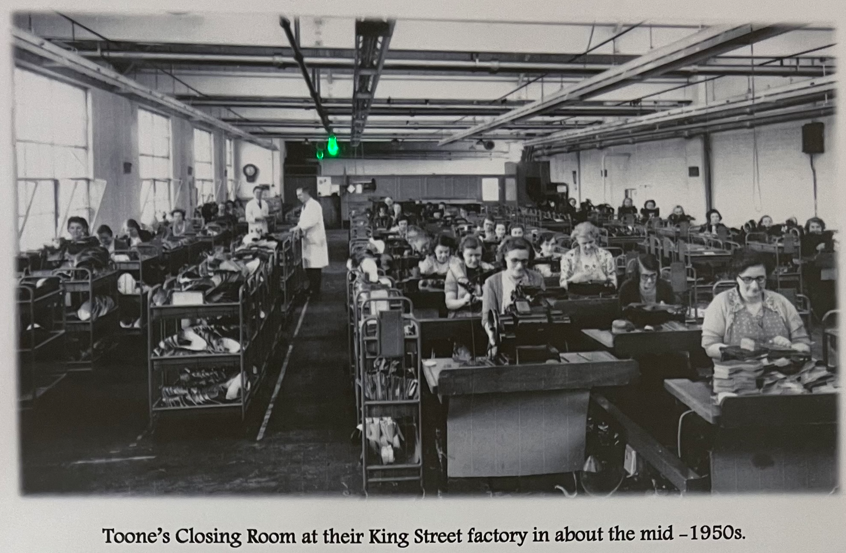
Industrialisation and the Confinement of the Closing Room
The mid-to-late 19th century brought rapid industrialisation to the shoemaking industry. Manufacturers initiated a massive industrialisation that mechanised a wide range of hand-tooled processes, thereby swiftly centralising production in large-scale factories.
As heavy, steam-powered machinery replaced highly skilled handcrafted processes, many male shoemakers, who had once been independent masters, were relegated to semi-skilled operative roles. Concurrently, women were pulled out of their domestic workshops and into the booming factories in massive numbers. However, their integration was highly segregated; women were primarily confined to the “closing rooms.” Here, they operated early, heavy-duty sewing machines to bind the leather edges of boots and shoes, earning the historical moniker of “boot binders”.
The historical closing room was notoriously arduous. Archival accounts of the era describe cramped rooms where multiple women worked in unpleasant atmospheres, initially by the dim, flickering light of tallow candles or coconut-fat lamps, incessantly “stabbing” and stitching tough leather for extraordinarily long hours.
The exploitation of female labour in these “sweated trades” became a major socio-political issue of the Victorian and Edwardian eras. Boot and shoemakers across the board barely earned a subsistence wage, with the vast majority working for as little as 9 or 10 shillings a week. Working-class women, who had always been required to earn their own living, found themselves trapped in piecework systems characterised by low pay, poor conditions, and endless hours.
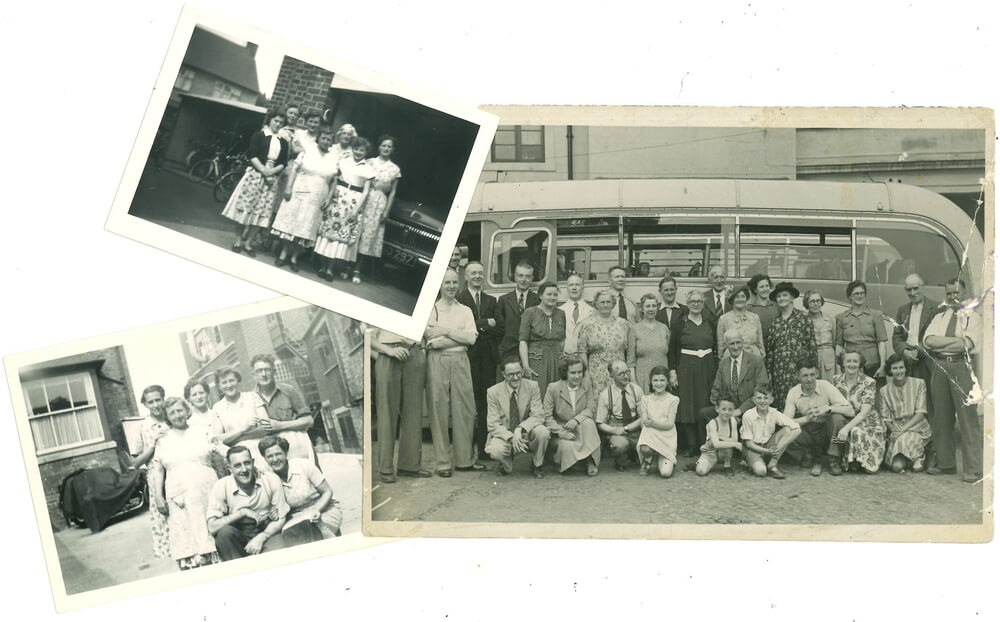
The First World War and Labour Changes
The history of women in British shoemaking is inextricably linked to the broader, fierce labour movements of the early 20th century. Female workers faced immense hostility, not only from wealthy factory owners but also from their male union counterparts who viewed female labour as a threat to their own wages.
When the First World War fully erupted, the rigid gender dynamics of the shoe factory floor shifted dramatically and permanently. With millions of men called to the front lines, the industry faced an existential labour crisis. Women boldly stepped out of the closing rooms and into the heavy machinery and manual roles previously reserved exclusively for men. This period unequivocally proved that female workers possessed the stamina, technical understanding, and adaptability required across all facets of heavy manufacturing, laying the permanent groundwork for the highly skilled female artisans who anchor the luxury footwear industry today.
The Impact and Legacy: Famous Female Shoe Designers
While the physical handcrafting of the shoe takes place on the factory floor, the conceptualisation of the footwear happens within the quiet intensity of the design studio. With the advent and increase of shoe design courses in higher education, the 20th and 21st centuries saw a radical, long-overdue transformation in the visibility and authority of women in the industry, evolving from anonymous closers to globally renowned women shoe designers and highly influential executive leaders. Here are a few that have inspired us.
Moya Bowler: The Avant-Garde Revolutionary
Among the famous historical female shoe designers of the mid-20th century, Moya Bowler stands out as a fearless visionary who fundamentally disrupted traditional British aesthetics. Born in Battle, East Sussex, in 1940, Bowler studied fashion at the prestigious Royal College of Art (RCA) under the legendary Janey Ironside. This education placed her in a highly influential peer group of 1960s British designers, including Bill Gibb, Janice Wainwright, Marion Foale, and Sally Tuffin. However, deeply dissatisfied with purely theoretical design, Bowler pursued rigorous technical training. She studied complex pattern cutting at the renowned shoe manufacturing school Ars Sutoria in Milan. She actively worked in shoe factories to understand the true, underlying engineering and mechanics of shoemaking.
Bowler’s work was highly commercial yet profoundly avant-garde. While still a student at the RCA, she produced high-volume designs for high-street chains like Lilley & Skinner. However, her most profound impact was felt on an international scale. In 1969, she began designing for Jerry Miller under the Jerry Edouard label, and her highly sought-after creations for the American brand Shoe Biz cemented her global reputation.
Bowler was a true pioneer in material experimentation. In the early 1970s, she was one of the very few designers manipulating pearlised plastics for platform heels, juxtaposing these synthetic materials with vibrant red, green, and orange leather uppers. She introduced stark two-tone details that redefined the decade’s footwear silhouette, proving that a female shoe designer could seamlessly blend the rigid mechanics of factory shoemaking with explosive, psychedelic pop-art aesthetics.
Emma Hope: Historicism and Modern Luxury
As the footwear industry entered the 1980s, the design focus shifted away from plastics and synthetics toward a deep revival of historical craftsmanship, combined with modern, understated luxury.
Enter Emma Hope, a highly talented graduate of London’s Cordwainers College (the premier, historic institution for footwear design in the UK) who opened her first independent shop in Islington in 1985. Hope’s design philosophy was deeply rooted in the tactile history of British textiles and traditional shoemaking.
Her meticulous attention to detail and historical referencing earned her massive international acclaim. In 1988, she created a now-iconic series of shoes featuring highly intricate embroidered depictions of the dancer Josephine Baker. These shoes were later exhibited by the Victoria and Albert Museum in 1990 as a prime exemplar of the work of “one of Britain’s leading young shoe designers”.
Hope’s influence extended rapidly through prestigious industry collaborations, including designing exclusive footwear ranges for Paul Smith in 2002, as well as working with Anna Sui and Mulberry. In 1995, her elegant footwear was officially selected by the editor of Brides magazine to represent the absolute pinnacle of the year’s fashion at the Fashion Museum in Bath. Through her thriving independent boutiques in Sloane Square and Notting Hill, Emma Hope definitively proved that British female shoe designers could successfully helm global, independent luxury brands while honouring historical craft.
Contemporary designers
The formidable lineage established by pioneers like Bowler and Hope paved the way for an absolute diverse explosion of powerful women shoe designers in the contemporary era, for example, Tamara Mellon, the co-founder of Jimmy Choo, Bionda Castana (founded by Jennifer Portman and Natalia Barbieri in 2007) internationally know for their refined heels and graphic mesh prints and Rosamund Muir for her zero-waste, artisanal Italian surplus leather creations.
The Textile Influence and The Cheaney X Vivienne Westwood Collaboration
But this female influence in shoe design goes beyond the silhouette into the very patterns and textiles that define British visual culture. For example, the legacy of Enid Marx, once hailed as Britain’s “queen of patterns” whose geometric woven fabrics defined the London transport system from 1937 onwards, set a high standard for female printmakers. This legacy was carried forward by contemporary icons like Orla Kiely, Vivienne Westwood, and Zandra Rhodes, whose joyous, retro-inspired prints and rebellious punk aesthetics have heavily influenced the textures and visual language of modern British footwear.
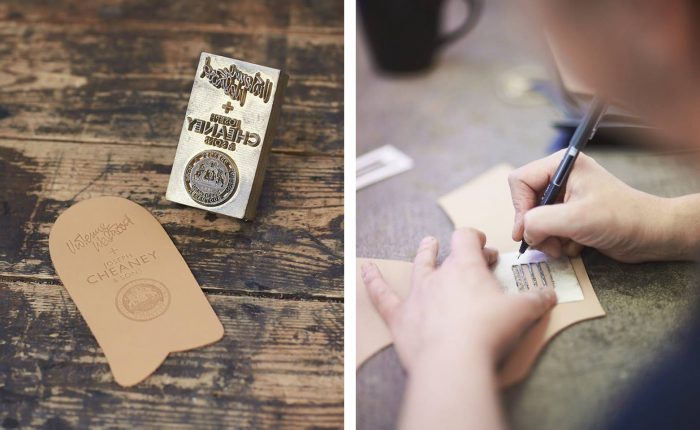
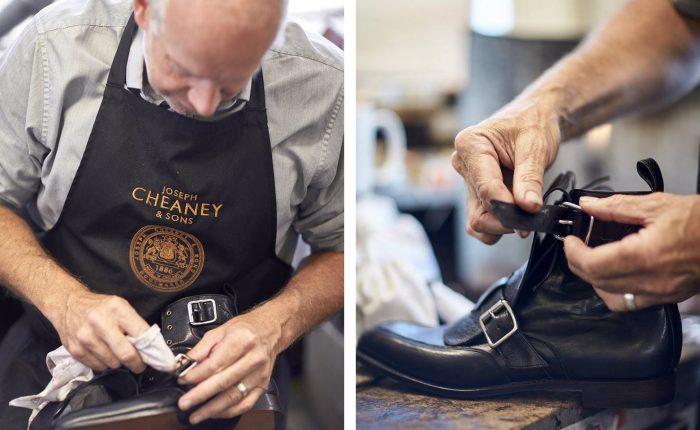
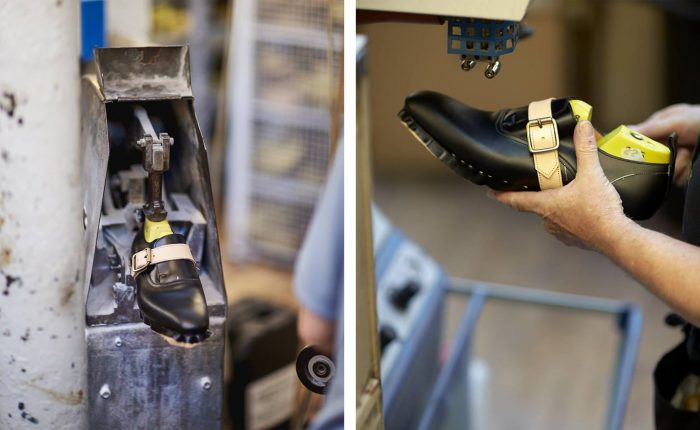
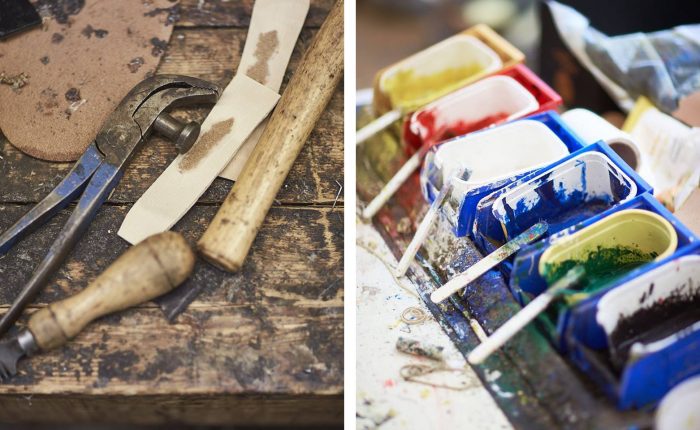
It’s little wonder that here at Cheaney, we have been inspired by these inspirational female designers, resulting in one of our most popular collaboration collections: Joseph Cheaney X Vivienne Westwood. This enduring collection perfectly encapsulates how traditional shoemaking can seamlessly embrace avant-garde design. This remarkable partnership represents a true amalgamation of modern punk and timeless British heritage, merging the unmistakable, powerful aesthetic of Westwood with our own exacting standards of quality.
Each pair in the collaborative collection is meticulously handcrafted in our Desborough factory using our signature Goodyear welting process, ensuring that the footwear not only boasts a striking, contemporary flair but also the enduring construction and authenticity that our discerning patrons expect. By uniting our historic manufacturing techniques with Vivienne Westwood’s creative vision, we have forged a truly unique line of versatile, expertly crafted shoes and boots that empower whoever wears them, proudly championing the very best of British shoemaking legacy and female innovative design.
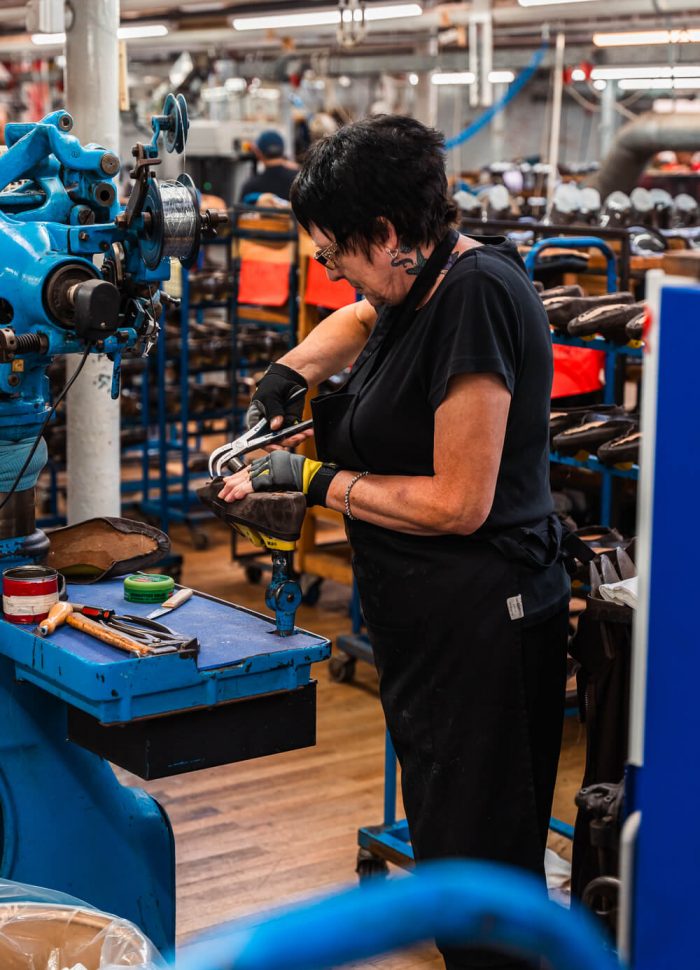
Female shoemakers today at Cheaney
The famous shoemakers in history survived in an era when female designers were rarely trusted with the bank loans or investments required to establish design houses; today, they are the driving economic force of the industry.
However, the modern impact of women in British shoemaking is absolutely not limited to celebrity designers sketching in pristine London studios; it is powerfully, tangibly felt at the very heart of the traditional Northamptonshire factory system.
Today, within the historic brick walls of Northamptonshire manufactories such as Joseph Cheaney & Sons, the living legacy of female craftsmanship is palpable.
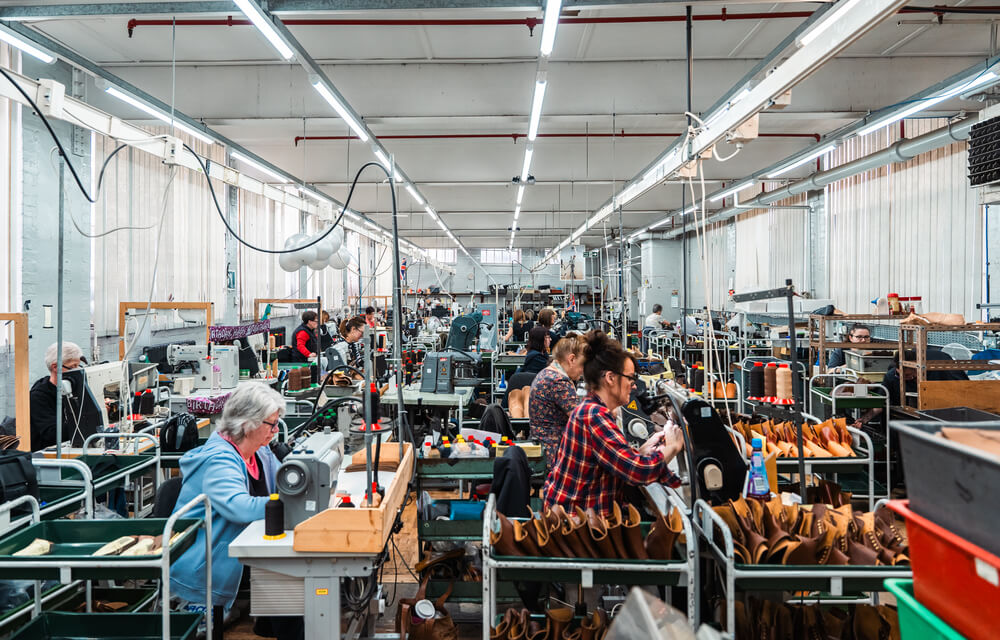
It lives vibrantly in the 40+ years of supervisory expertise demonstrated by Deanna in the closing room, the exacting aesthetic standards applied by Julie in the final shoe room, and the decades of material knowledge held by assembly, lasting, making, & finishing supervisors like Mel.
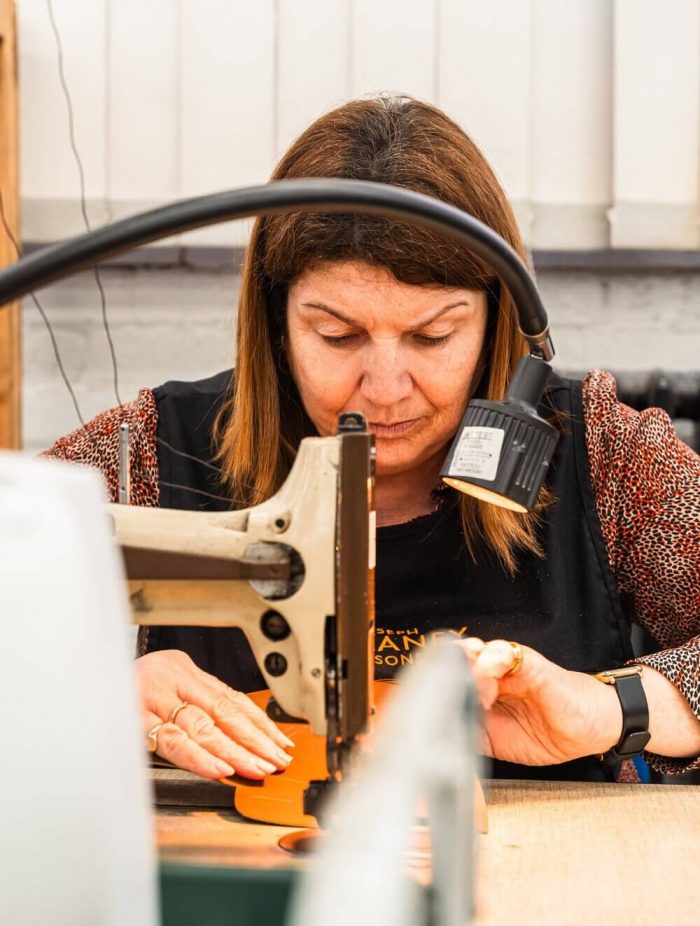
“Cheaney’s as a whole treats women as an equal. We are listened to and can contribute as well[…] I feel proud to be a woman in this industry because we can make a difference.”
– Deanna, Closing Room supervisor
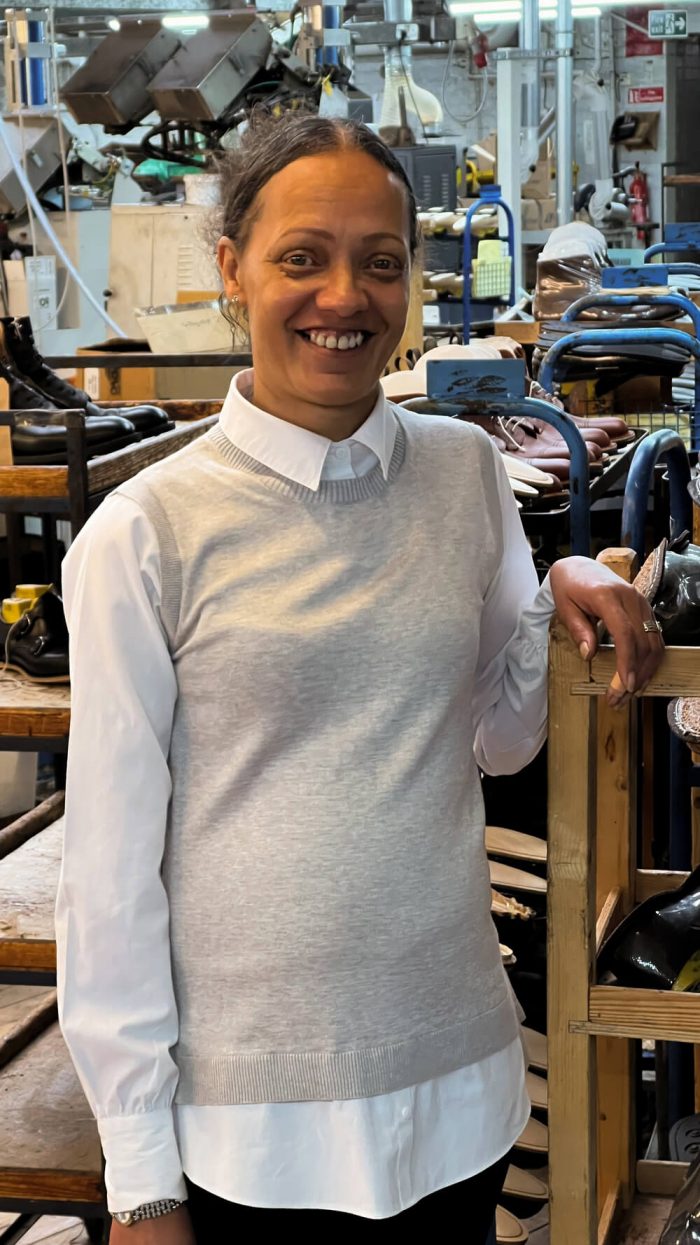
In actual fact, for a woman to run the main production floor in any shoe factory is very unusual so that really proves a point at Cheaneys[…]The biggest misconception is that it’s a man’s world, and walking around Cheaney Shoes, you can see this is untrue.”
– Mel, Assembly, Lasting, Making & Finishing Supervisor
These dedicated craftspeople are the absolute lifeblood of the complex 200-step Goodyear welted process, ensuring that the term “Made in England” remains a globally recognised, unassailable hallmark of uncompromising quality.
Discover shoes made by women for women at Cheaney shoes
The centuries-old narrative of traditional British shoemaking is fundamentally incomplete without recognising and celebrating the monumental contributions of its female practitioners. For generations, the industry relied heavily on the invisible, localised, and undercompensated labour of women whose profound dexterity in the garden outhouses and factory closing rooms provided the essential, literal architecture for the world’s most coveted boots and shoes.
Simultaneously, the global luxury footwear landscape has been irrevocably altered and elevated by famous female shoe designers. From Moya Bowler’s revolutionary avant-garde plastics and architectural heels in the 1960s to Emma Hope’s exquisite historicist luxury in the 1980s, and the sustainable, high-fashion creations of today’s contemporary visionaries, women have continuously pushed the aesthetic and material boundaries of footwear.
For the affluent buyer, investing in a handcrafted English leather shoe is not merely a purchase; it is an investment in durability, timeless style, and a profound, living history.
Discover the wide selection of women’s shoes crafted by women here at Cheaney.
You might also enjoy:

Comments are closed here.