What is pull-up leather?
Welcome to the wonderful world of pull-up leather! As a favourite among leather enthusiasts for its rich, vintage appeal and unique ability to age beautifully, we think it’s worth a spotlight.
Whether you’re interested in how pull-up leather is made and how it gets its distinct patina or how to care for your pull-up leather shoes, boots, or accessories, this complete guide covers everything you need to know. Discover what makes pull-up leather special, how it differs from other types of leather, and why it’s a popular choice for high-quality shoes, boots, and accessories.
Table of contents:
- What is pull-up leather?
- How can you recognise pull-up leather?
- Is pull-up leather real leather?
- How is pull-up leather made?
- How do I care for pull-up leather?
- What’s the difference between pull-up leather and full-grain leather?
What is pull-up leather?
Pull-up leather is created using a particular tanning method rather than being a specific leather type. The finishing technique includes any leather type packed with oils or waxes (or both) during the tanning process, creating a distinctive two-tone look.
The term “pull-up” refers to how the leather behaves when stretched or pulled. After this tanning process, the oils and waxes will shift and move when the leather is creased or manipulated in areas of tension or stress to create a naturally looking, worn-in appearance.

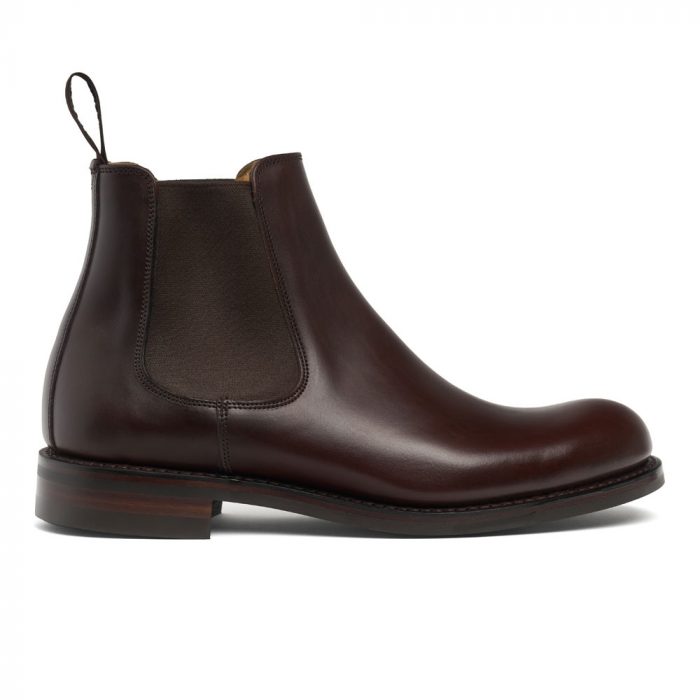
How can you recognise pull-up leather?
Pull-up leather is easy to identify by its distinctive characteristics. Here are the primary ones to look out for
A distressed look
Pull-up leather develops a rich patina with regular wear, improving with age. Many favour its distinctive distressed or antique look, which mimics the appearance of vintage leather.
Colour variation
Colour variation occurs when the leather is bent, stretched, pulled or rubbed. The surface colour lightens when the waxes and oils shift within the leather, creating a dual-layer finish.
An oily, soft and supple feel
The oil and wax finish gives the leather a soft, pliable feel. It can also feel slightly waxy or oily.
Durability
Despite its delicate treatment process, pull-up leather is durable and ages gracefully.
A rich-coloured surface
Pull-up leather typically has a rich, deep colour, natural variations, and a slight sheen. Over time, these variations become more pronounced.
Scratches and scuffs
Pull-up leather tends to show scratches and scuffs more easily, but these marks add to its character and charm.
High-quality leather
Pull-up leather is usually reserved for high-quality shoes and boots. It is usually made from full- or top-grain leather, meaning the hide’s natural grain is visible. Unlike other types of leather, pull-up leather does not have an artificial coating or embossing, which would distract from the beautiful patina effect.
Is pull-up leather real leather?
Yes! Pull-up leather is not only real leather; it’s a premium form known for its quality, durability and ability to develop character over time. Pull-up leather is typically made from full-grain or top-grain leather, which benefits from the highest-quality cuts of genuine leather. Its distinguishing feature is its treatment process.
Synthetic or faux leathers, like PU or vinyl, cannot replace real leather’s “pull-up” effect or natural patina. Pull-up leather responds to tension, scratches and wear, a unique property of real leather.
How is pull-up leather made?
Pull-up leather is made using a process called hot wax or oil stuffing. Below is a summary of the process:
- First, the hide is selected. High-quality full-grain or top-grain leather is chosen. Full-grain leather retains its natural grain, whereas top-grain leather is slightly sanded for uniformity. This selection ensures durability, breathability, and a natural leather look.
- The hide is then softened and tanned using vegetable tanning (a traditional method) or chrome tanning (a modern and faster process). This step stabilises the leather, prevents it from decomposing, and makes it durable. The leather is dyed using the aniline-dying process, which involves immersing it in dye to colour it through. No pigments or surface finishes are added, keeping the leather breathable and natural-looking.
- Next, the hide is treated with hot oil or wax in a process called hot stuffing, where heated oil or wax is forced into the hide. The oils are absorbed deeply, giving a soft and supple feel and creating the “pull-up” effect. Depending on the leather manufacturer, they will sometimes use oil, wax, or both, depending on their process.
- Little to no finishing is applied to preserve the natural appearance of the leather like heavy coatings, embossing, or artificial finishes. The result is a rich, natural surface that showcases the leather’s unique character and ability to patina over time.
How do I care for pull-up leather?
Caring for pull-up leather mainly involves retaining its beautiful, worn-in appearance and patina. Because it’s treated with waxes and oils, it requires a specific care approach to other leathers. We’ve detailed below our top tips for caring for your pull-up leather.
Cleaning
Pull-up leather is very low-maintenance. Try to avoid cleaning it as much as possible, as regular cleaning will cause the pull-up effect to even out, become less pronounced and even disappear.
If you do have to clean your shoes, wipe off dust and dirt with a soft, dry, lint-free cloth or soft brush. Also, avoid water when cleaning, as the excess moisture can disturb the oils and waxes, causing dark spots or discolouration. If they do get wet, blot them immediately with a clean, dry cloth and don’t rub. Then, allow the leather to air dry naturally, away from direct sunlight and heat. Avoid harsh chemicals, like household cleaners, alcohol, or harsh leather soaps, as they can strip away the natural oils and waxes. Most importantly, never use shoe polish on waxy or oily leather.
Conditioning
Over time, the oils and waxes in pull-up leather can diminish, causing it to look dry or faded. To replenish the oils and maintain the soft texture of oily leather, apply a colourless leather conditioner or cream. Use a small amount and buff gently in a circular motion. Only use a conditioner when necessary, as too much oil and wax can saturate the leather and diminish the pull-up effect.
Scuffs and scrapes
Pull-up leather is prone to scratches, but this is all part of the charm.
However, minor scratches can be fixed by rubbing them gently with your finger or a soft cloth. The natural warmth of your hand will help redistribute the oils and waxes, minimising the mark. For deeper scratches, use a leather conditioner.
Protecting pull-up leather
You can apply leather protector spray to make them more water-resistant if needed. But, make sure you use one compatible with waxed or oiled leather.
Storage
Avoid exposing pull-up leather to direct sunlight for extended periods, as it can dry out the leather and fade it unevenly. Also, keep it away from excessive heat sources like radiators. Instead, store in a cool, dry place using a Cheaney drawstring shoe bag so the leather can breathe and avoid plastic, which will trap moisture. You can also use shoe trees to help retain their shape while in storage.
What’s the difference between pull-up leather and full-grain leather?
Pull-up and full-grain leather differ in their treatment and finishing process. Note that pull-up leather often starts as full-grain leather.
Full-grain leather is the highest-quality leather made from the outermost layer of a hide. It retains its natural grain, markings and imperfections, making it natural-looking, durable and breathable. Full-grain leather is the base product with no sanding or buffing done to the surface.
In contrast, pull-up leather is not a type of leather; it’s a treatment process. Pull-up leather starts as full-grain or top-grain leather and is then treated with oils and waxes during the tanning process, creating a “pull-up” effect when stretched, pulled or bent. It has a softer, waxy feel and develops a unique patina.
For more information and in-depth details about full-grain leather, read our guide: What is full-grain leather?
Pull-up leather shoes and boots at Cheaney Shoes
Now you know everything about this illustrious leather, from the dying and treatment process it goes through to create its famed finish to how to care for your pull-up leather shoes or items.
Pull-up leather shoes and boots are worth adding to your footwear collection if you love the beauty of vintage or antique-looking shoes, which get better with age. Shop our range of pull-up leather shoes and boots here at Cheaney for truly unique leather footwear.
Related blogs:

Comments are closed here.