Behind The Factory Next Door Podcast
In a world dominated by mass production, there’s a rekindled appreciation for the skill found in British craftsmanship. Join Steven, the host of a captivating podcast dedicated to showcasing the best of British-made products, as he takes us on a tour of the Cheaney factory. Through The Factory Next Door podcast, listeners are treated to an immersive journey into the heart and soul of British manufacturing.
What makes British footwear so special? It’s all in the process. Unlike mass-produced goods, where machines churn out standardized items by the thousands, the brands they feature in the podcast take a different route. They embrace the craft and charm of Benchmade or handmade products. Each shoe is crafted primarily by hand, often on a workbench, with every member of the production team lending their expertise. There’s an average of 200 hand-tooled operations per pair! It’s this dedication to craftsmanship that sets Cheaney and other British products apart, delivering unmatched quality and style.
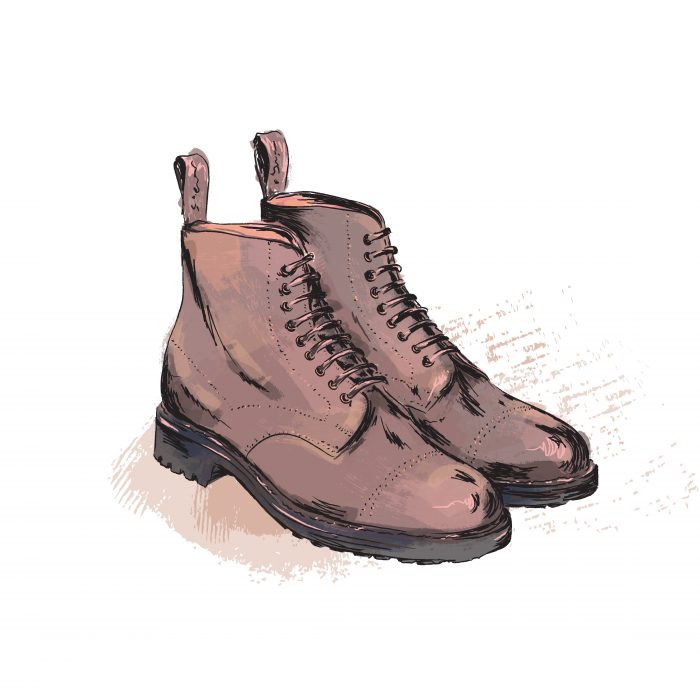

What inspired you to start a podcast focused on showcasing the best products made in Britain?
When I graduated from university, one of the first things I did was get a credit card so I could buy a bespoke suit from the tailor’s shop I walked past every day in Leeds. I was the sharpest dressed call centre worker this side of the M62!
Ever since I put on that blue pinstripe suit jacket (which I still wear 25 years later) I’ve wanted to shout about the skills on our doorstep.
What kinds of products can we expect to hear about on your show?
If you ever need a conversation starter in the local pub, ask people to name something great that’s made in Britain. You get a lot of strong opinions. The varied suggestions you’ll likely hear give a good indication of the wide range of products we make on this island, from cashmere sweaters to cask ale, sports cars to slip-on shoes.
How do you choose which British-made products to feature as the “greatest” on your podcast?
Each item on the show is brilliant first, British second. We don’t feature a product because it is made on our island. We feature a product because it demonstrates craft and skill that should be applauded no matter where it has been manufactured. If it meets that mark, and it’s British-made, then it can be considered for the list.
How do you find and research the products you feature on your podcast?
I’ve spent much of my career as an economics journalist. During that time, I’ve built a solid understanding of the wide range of products we manufacture here – but I’m still learning. I started the series with a long list of products written on a whiteboard. That list gets longer every week!
What are some of the main challenges and advantages of making products in Britain that you’ve encountered?
When I chat to people on the show, two themes repeatedly come up. The first is the extraordinary range of world-leading manufacturing skills we have on this island. The second is a significant problem recruiting. The number of younger people who aspire to make things is simply not big enough to fill the gaps. That’s a problem if we don’t want skills to be lost.
Why do you think it’s important to highlight British-made products?
If we don’t celebrate the skills on our doorstep, they will fade away. I wouldn’t want the next generation to have a diminished set of skills when it comes to making and producing things. I believe it’s critically important for any society that it retains those people who can build a boat, sew a shirt, or make a moccasin.
Can you share an interesting story about the people behind some of the products you’ve featured?
One of the first interviews I did for the show was with Lesley who’s been in the leather trade for more than 40 years. I asked her about what was next, and she paused before looking down at her hands. “I worry about the strength in my hands,” she said, adding that there’s so much more she wanted to learn, but she knows age will eventually curtail her abilities.
I think about that comment a lot. It reflects her experience, but, I think, also the wider experience for British manufacturing. There’s fear and vulnerability, but also resilience and a quiet determination to keep learning. And a yearning to ensure skills are passed on.
What do you want listeners to take away from listening to your podcast episodes?
Pride. I want them to feel pride in the extraordinary makers we share our island with. And I want every listener to finish each episode a little lighter and brighter than when they first pressed play. There’s plenty of factual content out there that is tremendously important but can take a toll on our spirits. I want this show to leave listeners happy.
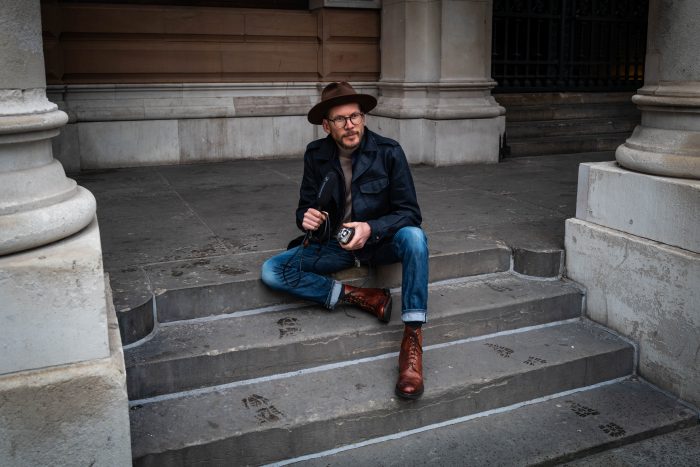

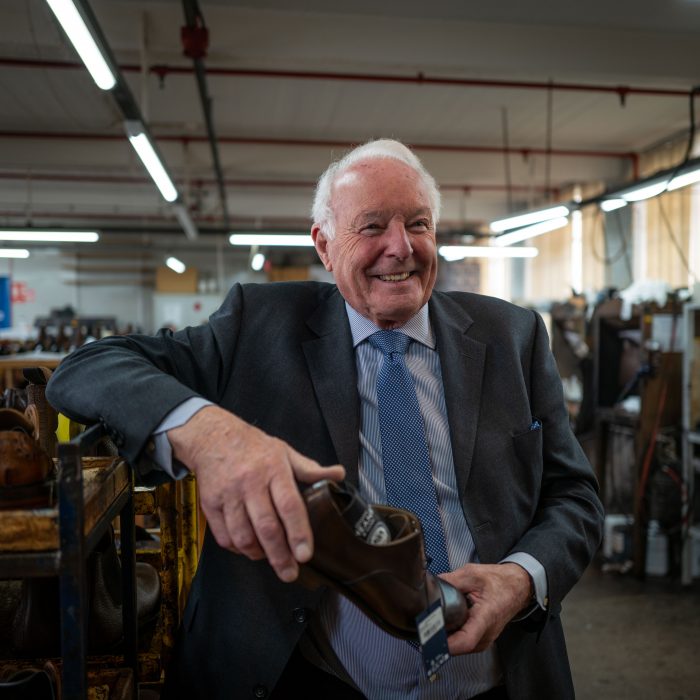
As May: Local & Community Month draws to a close, it’s clear that the heart of British craftsmanship beats strong. Through The Factory Next Door podcast, Steven has opened a window into the world of British manufacturing, revealing the passion, skill, and dedication behind each product we make.

Comments are closed here.