From Royalty to Rock’n’Roll: The History of Chelsea Boots
From its royal beginnings during the Victorian era to trend-setting in London in the swinging ’60s, the Chelsea boot is steeped in British history and is still a popular footwear choice today.
A wardrobe staple, this iconic boot design has stood the test of time due to its adaptability when paired with casual and formal attire. So, we thought this versatile boot deserved a bit of limelight.
Without further ado, here is the history of Chelsea boots, how they came about and how they have become synonymous with sleek sophistication and British culture.
Table of contents
- What is a Chelsea boot?
- Where did Chelsea boots originate?
- Why are they called Chelsea boots?
- Why is the Chelsea boot so popular?
What is a Chelsea boot?
You can distinguish the highly recognisable Chelsea boot style by its lack of laces, smooth vamp and elasticated side gusset. They are typically close-fitting, ankle-high boots made in leather or suede. Also, they usually feature a leather or rubber sole with a low heel.
Since they have no laces, Chelsea boots have a distinctive pull tab on the back of the collar to aid in pulling them on, with the elasticated gusset keeping them in place.
Traditionally, they were plain, but some have since evolved to bear broguing perforations for a more decorative style, and some even have chunky soles.
Where did Chelsea boots originate?
Queen Victoria and her personal royal cobbler, Joseph Sparkes-Hall, are often given the founding credit for the iconic boot’s inception in 1837. Queen Victoria commissioned Sparkes-Hall to make a boot suitable for walking and horse riding, one without laces that wouldn’t get caught in her stirrups. Sparkes-Hall initially named the creation J. Sparkes Hall’s Patent Elastic Ankle Boots in his 1851 advertisement. After receiving his patent, he claimed, “She [Queen Victoria] walks in them daily and thus gives the strongest proof of the value she attaches to the invention.”
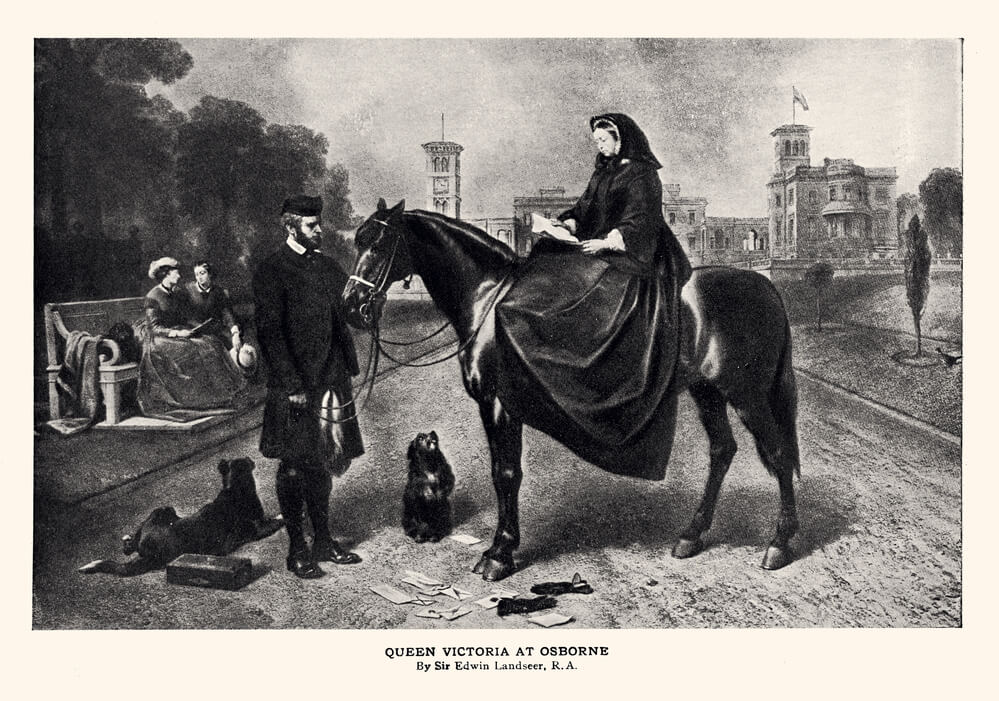
The boots became popular amongst aristocratic men and women for walking and horse riding because of their robust design and elasticated gusset. The revolutionary design was only made possible with the invention of vulcanised rubber by Charles Goodyear of Springfield, Massachusetts, in 1844, where sulphur was added to rubber to make it more resistant and elasticated. The boot design may not seem significant, but laces and buckles were the only way shoes were fastened at the time. An elastic pull-on shoe made these shoes quick and easy to get on.
Referred to as “Paddock boots”, they could easily slip on and off at the end of a ride or muddy walk and were favoured by the countryside and equestrian community of the time. Chelsea boots have remained a firm favourite in country fashion attire for the 200 years since their inception.
However, as there were other popular riding boot styles at the time with higher backs, these paddock boots could easily be swapped between riding boots and comfortable boots for everyday wear and work. Their popularity spread and they were used in the countryside and the military.
Why are they called Chelsea boots?

The Chelsea boot acquired its name from its popularity in the ’50s and ’60s during the Mod fashion and cultural era. In the 1960s, the Chelsea boot was favoured by the MODs because the sleek silhouette complimented their slim trousers and suits often paired together and were also sturdy enough to wear while riding the classic Mod scooters.
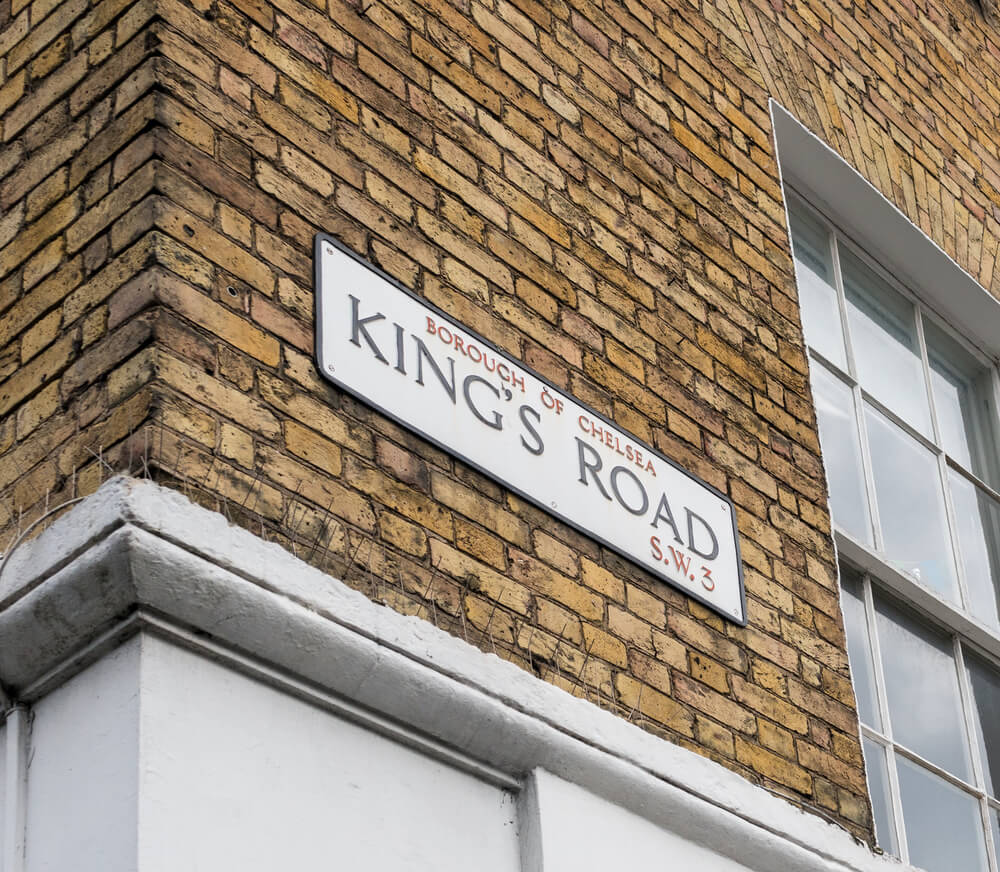
The name comes from the association with King’s Road, an affluent fashion, art, music and cultural neighbourhood in Chelsea, London. Socialites, designers and artists often frequented the King’s Road wearing these iconic boots. This bohemian group was often called the “Chelsea Set” by the media. The group and area became a media focus as an epicentre of fashion and culture. It included fashion icons like Mary Quant and Jean Shrimpton, who favoured Chelsea boots and considered them the ultimate leisure accessory. The word “Chelsea” quickly changed from being a small London area to becoming synonymous with this new, trendy way of dressing. The media cottoned on to this unusual boot, worn by both men and women; thus, the Chelsea boot was born.
Why is the Chelsea boot so popular?

Chelsea boots were popularised into mainstream fashion by The Beatles. In the 1960s, shoe designers Anello & Davide added a higher Cuban heel to the classic Chelsea boot. The Beatles, seeing them in a shop window in Covent Garden, decided they had to have some with an even higher heel and more pronounced pointed toe. They made the four members a pair, which became an important part of their uniform and a wardrobe staple of many young people in the sixties. They were later coined as “the Beatle boot.”
Other garage and Rock’n’Roll bands like The Rolling Stones, The Who and The Small Faces copied the look. And other style icons trailblazed the boot style, including Andy Warhol, David Bowie, Jimi Hendrix and Bob Dylan.
While other boots go in and out of style, the Chelsea boot has remained at the forefront of fashion, culture and music to this day. Due to their versatility and classic style, men and women have favoured them since the ’50s and ’60s.
Chelsea boots today
Not only have they been made fashionable by celebrities throughout history, appearing in films such as Star Wars and The Avengers, but their minimalistic look means you can dress them up or down. Their design gives the wearer a timeless charm, exuding sophistication, elegance and British heritage.
Chelsea boots at Cheaney
We unequivocally love Chelsea boots here at Cheaney, and we believe they should be a fundamental staple in any man’s or woman’s wardrobe. Offering versatile wearing and being easy to put on and remove, every city stomper, country lady, or gentleman can benefit from these boots in their outfit arsenal. Why not browse our range of hand-crafted women’s Chelsea boots or men’s Chelsea boots and find your new favourite footwear today?
Related articles:

Comments are closed here.